
 By
By 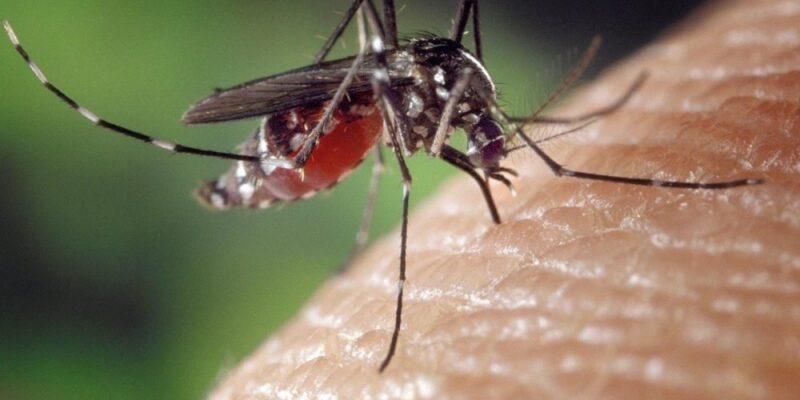
If you’ve ever tried to enjoy your backyard on a warm Atlanta evening and ended up retreating inside covered in bites, you’re not imagining things — Georgia really is one of the worst states in the country for mosquitoes. There’s a reason pest control companies stay busy from May through October around here. The combination of heat, humidity, and frequent rain creates conditions that mosquitoes genuinely thrive in, and metro Atlanta checks every box.
The good news? Understanding why mosquitoes are so bad here — and what actually works to reduce them — can make a real difference in how much you enjoy your outdoor space this summer.
Why Atlanta Is Such a Mosquito Hotspot
It comes down to a few key factors that Atlanta has in abundance.
Heat and humidity. Mosquitoes are cold-blooded insects, which means they become more active as temperatures rise. Georgia summers routinely hit the upper 80s and 90s with humidity to match, creating the warm, muggy air that mosquitoes love. They also need moisture to survive — dry heat is actually their enemy, which is why Atlanta is so much worse than, say, Phoenix.
Frequent afternoon thunderstorms. Atlanta’s summer weather pattern practically runs on a cycle: hot morning, stormy afternoon, repeat. Every rain event creates new pockets of standing water, and that’s where mosquitoes breed. It only takes about a week for mosquito eggs to develop into adults in standing water — and it only takes about a bottle cap’s worth of water to make it happen.
Tree canopy and shade. Atlanta is famously one of the most forested major cities in the country. That shade keeps things cooler and holds moisture longer, which is great for the environment but also creates plenty of shaded, damp spots where mosquitoes like to rest during the hottest parts of the day.
Extended season. Unlike the Midwest or Northeast, where a hard frost kills mosquito activity by late September, Atlanta’s mild fall means mosquito season stretches well into October — sometimes even November.
The Most Common Mosquito Species in Atlanta
Not all mosquitoes are created equal. The two species you’re most likely dealing with in the Atlanta area are:
The Asian Tiger Mosquito (Aedes albopictus) — This is the aggressive, striped mosquito that bites during the day, not just at dawn and dusk. It’s highly adaptable, breeds in tiny amounts of standing water, and is unfortunately very common throughout Georgia. If you’re getting bitten at noon while gardening, this is probably the culprit.
The Southern House Mosquito (Culex quinquefasciatus) — This one bites mostly at dawn and dusk, breeds in larger, stagnant water sources like retention ponds and clogged gutters, and is the primary carrier of West Nile Virus in the Southeast.
What Actually Works
Let’s cut through the noise, because there’s a lot of bad mosquito advice out there.
Eliminate Standing Water First
This is the single most effective thing you can do on your own property. Walk your yard after every rain and look for anything holding water: flowerpots and their saucers, tarps, clogged gutters, birdbaths, kiddie pools, old tires, buckets, and low spots in the lawn. Empty or treat anything you can’t eliminate.
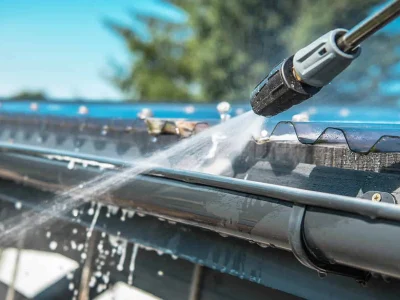
Even your gutters matter — a clogged gutter full of decomposing leaves and rainwater is a mosquito breeding factory that most homeowners never think about.
Treat Water You Can’t Empty
For water features like ponds, rain barrels, or large birdbaths, use Bti dunks (Bacillus thuringiensis israelensis). These are biological larvicides — they kill mosquito larvae without harming birds, fish, or pets. Drop one in the water and it works for about 30 days.
Make Your Yard Less Appealing
Mosquitoes rest in cool, shady, humid areas during the day. Trimming overgrown vegetation, keeping grass cut short, and improving drainage in soggy areas of your yard all reduce the places mosquitoes like to hang out.
Personal Protection That Works
DEET-based repellents remain the gold standard for personal protection — look for formulas with 20–30% DEET for all-day outdoor activities. Picaridin is a newer alternative that’s equally effective and tends to feel less oily on the skin. Products like citronella candles or clip-on fans have very limited range and offer minimal protection in Atlanta’s open outdoor spaces.
Professional Barrier Treatments
For homeowners who want real, season-long relief, barrier spray treatments from a licensed pest control company are worth the investment. These treatments coat the foliage, shrubs, and shaded areas of your yard where mosquitoes rest, and can reduce populations significantly when applied regularly throughout the season. They’re not a magic bullet — mosquitoes from neighboring properties will still wander in — but they make a noticeable difference.
What Doesn’t Work
Bug zappers — They kill plenty of moths and beetles, but mosquitoes aren’t particularly attracted to UV light. Studies consistently show they do little to reduce mosquito populations.
Citronella plants — The plant itself releases almost no repellent compounds unless the leaves are crushed. The candles help marginally in a very small area.
Ultrasonic repellent devices — No scientific evidence supports their effectiveness against mosquitoes.
The Bottom Line
Mosquitoes in Atlanta are a genuine seasonal challenge, not just an annoyance. But a combination of eliminating standing water on your property, using proven repellents, and considering professional barrier treatments can dramatically improve your quality of outdoor life during the summer months.
You may never fully escape mosquito season in Georgia — but you can make your backyard a whole lot more bearable.






Comments