
 By
By 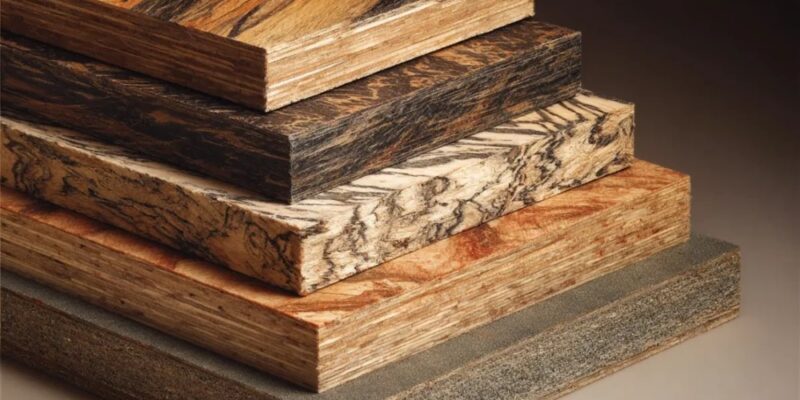
Wood simply ages so smoothly and never seems to lose its magnificence, much like wine. We prefer wood for our modern interiors, despite the increasing popularity of many other contemporary materials. Engineered wood, sometimes referred to as “man-made wood” or compressed wood, is a flexible substitute for hardwood. It is composed of several layers of wood called ply that have been reformed using pressure, heat, and adhesive. Because each layer runs in a different direction, it is more durable and has greater qualities than hardwood.
Where in your home can you use engineered wood?
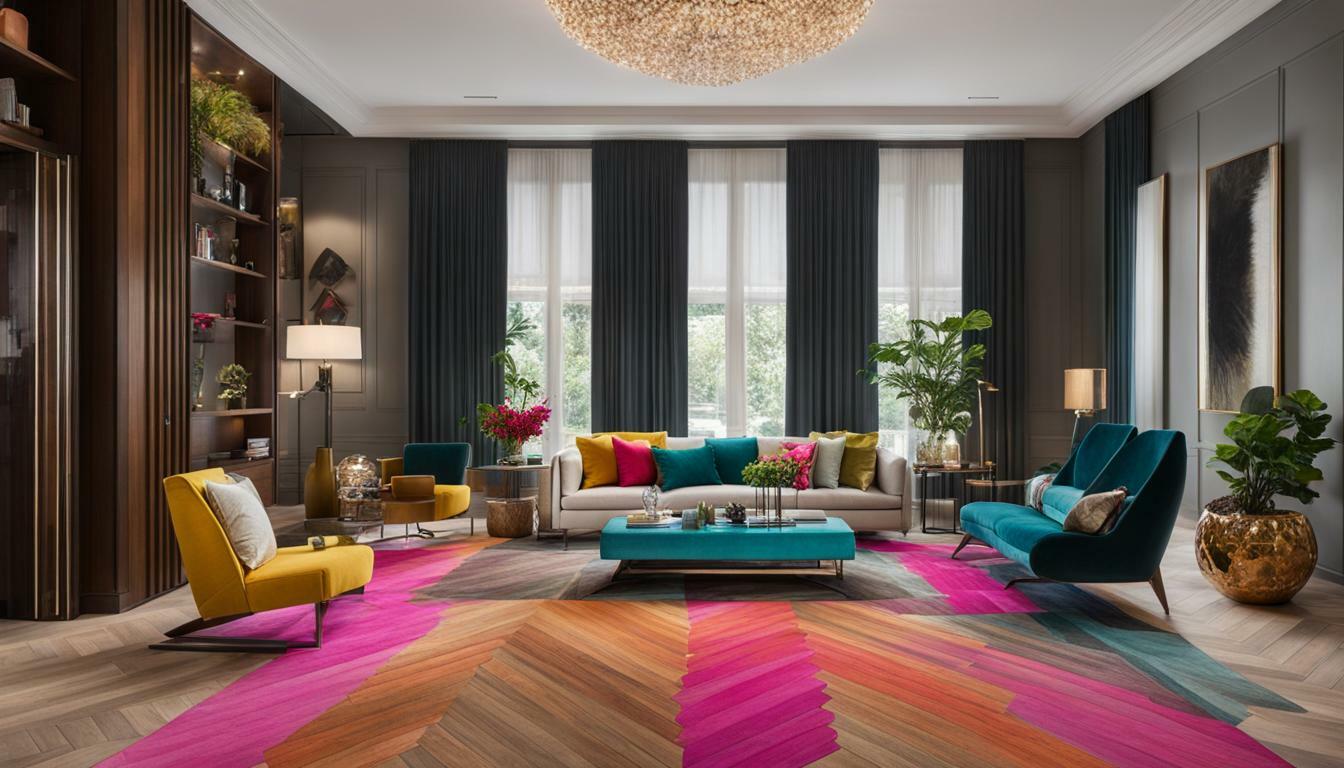
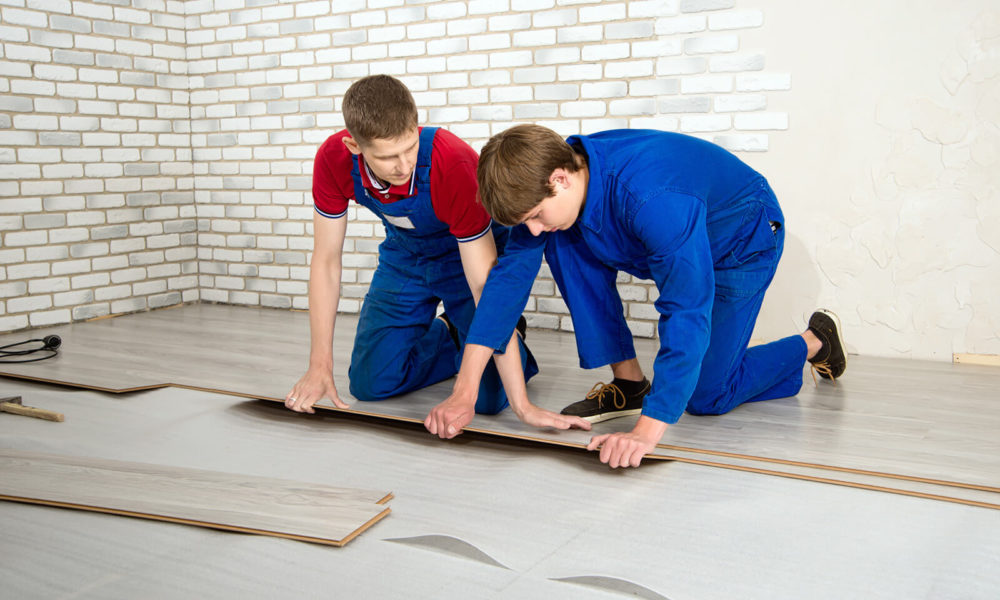
Engineered wood can be used in many different areas of your home, such as floors, walls, ceilings, furniture, and cabinets. Engineered wood panels are simple to install and offer a long-lasting, lovely appearance for walls and ceilings. Engineered wood furniture is sturdy, long-lasting, and lightweight enough to be moved around with ease. You may satisfy your desire for gorgeous and durable quality patio furniture or wooden cabinets to update your kitchen or bathroom without going over budget. Additionally, engineering wood works well for cabinets, storage areas, and bookshelves. It is understandable why engineered wood has grown in popularity among homeowners, given its numerous applications around the house.
Benefits of choosing engineered wood
It is an inexpensive substitute for conventional hardwood patterns. High moisture resistance is achieved through wood engineering. With greater resistance to heat and electricity, engineered wood offers the same appearance and finish as conventional wood. They are easy to work with and offer a plethora of customization options.
Plywood
Everything from engineered wood tables and storage units to engineered wood kitchen cabinets and bed sets is made of engineered plywood. The majority of engineered plywood is composed of cross-laminated veneer sheets that are joined together by applying pressure and heat using premium, water-resistant glues.
Particle boards
Particle board is an excellent option for furnishings in your house or place of business. Made completely of sawdust, wood shavings, and other particles, it is the most environmentally benign kind of technical wood material.
Blockboard
Every kind of engineered board wood, including plywood, is very different from a blockboard. They are constructed from solid wood blocks that are sandwiched between layers of wood veneer using a variety of adhesives. A blockboard is extremely light since it is typically constructed from the softwood of pine and other woods.
Fiberboard with a medium density (MDF Board)
This type of compressed wood board, commonly referred to as MDF board, is frequently the most popular and utilized for creating exquisite, engineered wood beds, kitchen cabinet designs, or office interior furnishings. These days, engineered wood flooring composed entirely of MDF is found in the majority of opulent homes, flats, villas, and cottages.
Veneer laminate
Rim boards, beams, and other elements used to cascade the bed’s edges are frequently made of laminated veneer, a special kind of engineered hardwood.
Cross-laminations timber
Cross Laminated Timber, or CLT, is a type of engineered pressed wood plank in which the wood sheets are attached at a 90-degree angle, giving the entire structure a crisscross design. CLT has emerged as a great substitute for traditional wood and is well-liked for its stability and engineered wood endurance.
Orientated strand board
Logs are ground into thin strands that resemble wood chips to create OSB, or oriented strand board, a strong panel. The primary benefit of OSB is its lower cost of production. It is rated on par with plywood for the majority of applications, including wall sheathing and subfloor.
Fiberboard with a high density (HDF)
Another type of compressed wood board that is specifically created from pulped wood waste and chips is called high-density fiberboard, or HDF, as it is popularly known in the market. The durability of HDF’s engineered wood is well-known.







Comments