
 By
By 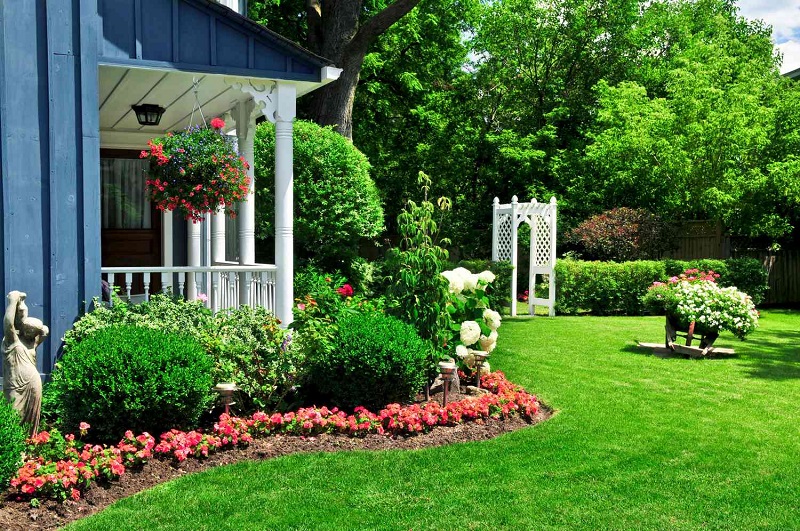
A beautiful garden doesn’t need a lavish budget or a team of experts. With a few clever choices and a touch of creativity, your outdoor space can be transformed.
The key lies in planning smartly, planting wisely, and enjoying the process.
1) Map Out Your Garden Before You Spend a Penny
Before reaching for your spade, take a step back and get to know your garden.
Size it up, walk through it, and notice what’s already working, whether that’s a well-established tree, a winding path, or an accidental flowerbed that’s somehow thriving.
Understanding your starting point helps avoid costly do-overs later on.
Think about what matters most. Do you dream of flowerbeds brimming with colour, a kitchen garden with herbs and vegetables, or a quiet corner to unwind in? Let those priorities guide your spending.
And be honest about your budget. Set a clear limit, then tuck away a bit extra for the unexpected. Surprises, after all, are part of the gardening journey.
Free garden-planning apps and online design tools can be surprisingly helpful. You can sketch out your ideas, shuffle things around virtually, and catch spacing issues before they become real-life blunders.
This bit of prep work saves both time and money and makes everything feel a little less daunting.
Above all, a thoughtful plan helps you resist those tempting but impulsive nursery purchases that don’t quite fit. With a bit of structure, you’ll be well on your way to a garden that grows with you.
2) Let Local Plants Do the Heavy Lifting
Native plants are the quiet heroes of the budget-conscious garden.
They’re already adapted to the local climate, which means less fuss over watering, fewer fertilisers, and far fewer headaches. As a bonus, they provide a natural buffet for bees, butterflies, and other welcome visitors.
Start by researching which plants are native to your area. Local garden centres and community allotments are brilliant places to pick up advice. The people there usually know what thrives and what struggles, and they’re often more than happy to share tips.
Moreover, aim for a mix that blooms across the seasons. This not only keeps your garden looking cheerful year-round but also spreads the work of planting and pruning more evenly.
When your plants are in harmony with the land, everything just feels easier.
Ultimately, going native helps your garden settle in more smoothly while giving local wildlife a proper home. It’s low-effort, high-reward gardening.
3) Grow More for Less with Seeds and Cuttings
There’s something quietly magical about growing plants from scratch. It’s slower, yes, but deeply satisfying and far cheaper than buying full-grown specimens.
Cuttings are an excellent place to begin. Early mornings are ideal for snipping, while the plant’s still full of moisture.
Start with hardy favourites like rosemary, mint, or lavender. Cut just below a leaf node, remove the lower leaves, and dip the end in rooting powder before nestling it into damp compost.
Meanwhile, seed swaps and online gardening communities are treasure troves for beginners. You can trade seeds, pick up handy advice, and perhaps even make a few gardening friends along the way.
Many gardeners are keen to share, especially if you show interest and enthusiasm.
Try sowing seeds indoors to give them a head start. A sunny windowsill and a bit of patience can yield a surprising variety of plants, ready to thrive when the weather warms up.
Keeping a simple garden journal to track what works and what doesn’t adds to the fun, and you’ll learn more from the mishaps than the triumphs.
This gentle, homemade approach brings your garden to life with a story that’s all your own.
4) Build Your Garden with What You’ve Already Got
A garden sprinkled with character doesn’t need to cost the earth. With a bit of imagination and perhaps a rummage through the shed, you can create charming features for next to nothing.
Old bricks and timber offcuts are perfect for edging beds or marking out paths. Wooden pallets, often free for the taking, can be repurposed into raised planters or compost bins.
It’s not just budget-friendly; it’s also better for the environment.
If you’re after a simple weekend project, try crafting a compost bin using three wooden pallets wired together, leaving the front open for easy access.
Or build a birdhouse from scrap wood, nails, and a little patience—a charming addition that gives something back to nature.
These projects are even better shared. Invite friends round for a build day, or rope in the family and make a day of it. There’s a quiet joy in creating something with your hands, and each homemade piece brings a story and a smile every time you see it.
And if DIY isn’t quite your thing, you can always enlist professional landscaping help to shape your vision and give it that finishing touch.
5) Feed the Soil, Not Just the Plants
Good soil is the lifeblood of a healthy garden. And thankfully, it doesn’t need to come in bags from the garden centre.
Start by using organic mulch, grass clippings, bark, dried leaves, or whatever’s readily available. Mulch helps lock in moisture, suppress weeds, and regulate temperature, giving your plants the best chance to thrive with minimal effort.
Composting is even simpler. A corner of the garden, a sturdy bin, and a regular supply of kitchen scraps—think vegetable peelings, eggshells, and coffee grounds—are all you need.
Add a bit of garden waste like small branches or dried leaves, and you’re set. Over time, it transforms into nutrient-rich compost that nourishes your plants better than anything store-bought.
The benefits stack up: stronger plants, fewer weeds, and less watering. Your garden becomes more self-sufficient, and you save money while cutting down on waste. It’s a small change that delivers a big reward.
6) Keep Things Tidy Without Overdoing It
Gardens don’t stop growing just because life gets busy. A little planning keeps things ticking along and helps prevent problems before they take root.
Tuning your maintenance routine to the seasons makes all the difference.
Winter is ideal for pruning, clearing debris, and planning new layouts. Spring calls for planting and feeding, while summer is all about watering wisely and trimming back.
And autumn, of course, is the time for gathering seeds, planting bulbs, and mulching for the cold months ahead.
Beyond that, setting reminders, either on your phone or with a trusty notebook, helps keep track of what needs doing when. Regular upkeep means fewer surprises, healthier plants, and more time to enjoy your garden rather than chasing after it.
Consistency, rather than intensity, is what makes a garden thrive year-round. With a steady rhythm of care, you’ll spend less and enjoy more.
7) Make It a Shared Joy, Not a Solo Chore
Gardening isn’t just about plants. It’s about people, too. Involving loved ones can make the whole process feel less like a task and more like a shared ritual.
Host a planting afternoon, where friends bring cuttings or seeds to trade. Let children pick out their own little patch to tend. Or invite neighbours round to help dig and plant, then stay for a cuppa once the tools are down.
These moments turn routine into ritual, creating bonds that last far longer than a blooming season.
A local gardening group or WhatsApp chat can keep the momentum going, offering encouragement when the weather turns and a bit of celebration when the first shoots appear.
There’s something deeply satisfying about growing something together. A garden, after all, is made richer by the hands that tend it.
Conclusion
Turning bare ground into something beautiful is no small feat. You’ve laid the groundwork for a space that reflects care, joy, and quiet pride.
Now let it flourish, and enjoy every moment it gives back to you.














Comments